Spanish Language and Culture
¡Bienvenidos a la clase de español!
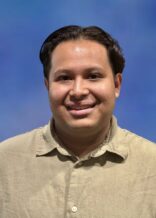
Teacher: David Villegas-Garcia
Email: dvillegas@stcletusparish.org
Preschool–8th Grade Syllabus
Course Description
Spanish class introduces students to the Spanish language and cultures of
Spanish-speaking communities through age-appropriate, interactive activities. Students will develop listening, speaking, reading, writing, vocabulary, and cultural awareness through songs, stories,
games, crafts, role-play, and real-world activities.
The goal is to create a respectful and welcoming environment where students feel
comfortable practicing Spanish, making mistakes, and growing as language learners.
Curriculum by Grade Level
Preschool & Kindergarten
Students will develop foundational Spanish vocabulary and listening skills through songs,
movement, stories, games, and cultural crafts.
Students will practice:
● Letters and sounds
● Counting objects to 10; Kindergarten will work toward 20
● Colors: rojo, azul, amarillo, verde, naranja, morado, negro, and blanco
● Days of the week, months, and seasons
● Greetings and simple responses
● Basic classroom commands
● Simple speaking activities
Language Structures: Students will be introduced to subject pronouns, ser, llamarse, tener, me
gusta, definite and indefinite articles, gender and number agreement, and simple question
words such as qué, quién, y dónde.
1st–3rd Grade
Students will use the Brighter Child Spanish Curriculum to develop foundational vocabulary
and communication skills.
Topics may include:
● Colors and numbers
● Animals
● Family
● School
● Everyday vocabulary
● Greetings and basic conversations
Students will practice speaking, listening, vocabulary, stories, cultural crafts, and interactive
Activities.
4th–8th Grade
Students will use the Skills for Success Spanish Resource Series to develop basic Spanish
vocabulary, pronunciation, listening, reading, writing, and speaking skills.
Students will participate in:
● Vocabulary and pronunciation practice
● Listening activities
● Reading short texts and stories
● Speaking engagements
● Role-play and real-life communication
● Cultural activities and projects
——————————————————————————————————————————-
ACTFL World-Readiness Standards
Instruction will be aligned with the ACTFL World-Readiness Standards for Learning
Languages.
Standards students will…
Communication Interpretive, interpersonal, and presentational communication
Culture Explore cultural practices, products, and perspectives
Connections Connect Spanish to other subjects and real-world experiences
Comparisons Compare Spanish language and cultures with their own
Communities Use Spanish within the classroom and appropriate real-world settings
Communication Modes students will..
.
Interpretive Listen to and read Spanish to understand the meaning.
Interpersonal Interact with others through speaking and writing.
Presentational Present information through speaking and writing.
——————————————————————————————————————————-
Grading and Assessment
Spanish is a Pass/Fail course. Two grades will be entered into PowerSchool each week.
Student progress will be based on:
● Class participation and effort
● Classwork and assignments
● Speaking and listening activities
● Projects and cultural activities
● Vocabulary and language practice
● Assessments and demonstrated growth
Students are expected to actively participate and make a consistent effort to use Spanish.
Assessments.
Assessments will vary depending on the unit and grade level. Students may be assessed in:
● Listening
● Speaking
● Reading
● Writing
Not every assessment will include all four areas. Assessments will be designed according to the
skills and objectives taught in each unit.
——————————————————————————————————————————-
Homework and Classwork
There is no regular homework assigned.
However, any work that is not completed during designated class time will become homework
and must be completed by the assigned deadline.
Students are encouraged to independently review:
● Vocabulary words
● Spanish phrases
● Previous class material
● Unit concepts
Regular review and self-study will help students prepare for assessments and strengthen their
Spanish skills.
——————————————————————————————————————————-
Absences and Make-Up Work
Students who are absent are responsible for checking in with the teacher to determine what
assignments, activities, or assessments need to be completed or turned in.
Students should make every effort to complete missed work within the timeframe provided by
the teacher.
Test Retakes
Test retakes may be allowed when appropriate.
Before completing a retake, students must:
1. Complete additional assignments or practice provided by the teacher.
2. Review the material covered on the original assessment.
3. Provide evidence of self-study and preparation before taking the retake.
The purpose of the retake process is to encourage students to identify areas of difficulty,
prepare appropriately, and demonstrate improved understanding.
Classroom Expectations
Students are expected to:
1. Raise your hand for permission to speak and use the appropriate hand signal for
permission to leave your seat.
2. Be respectful to your classmates, classroom, and teacher.
3. Listen and follow directions efficiently.
Remember: Learning a language takes practice. Students are encouraged to take risks, ask
questions, and support one another.
——————————————————————————————————————————-
Behavior and Consequences
Students are expected to follow classroom expectations as well as school-wide behavior
procedures.
Depending on the situation, classroom responses may include:
Reminder → Warning → Restorative Conversation → Parent/Guardian Communication
Major and minor behavior concerns will be handled according to school procedures.
The purpose of classroom management is to maintain a safe, respectful, and compassionate
environment where every student can learn.
——————————————————————————————————————————-
Parent and Family Communication
Communication with parents/guardians is an important part of supporting student success.
Parents/guardians may be contacted regarding:
● Academic progress
● Missing or incomplete work
● Classroom behavior
● Attendance or missed work
● Assessments or concerns
● Student accomplishments and positive progress
Families are encouraged to communicate with the teacher when questions or concerns arise.
A monthly newsletter will be available with pictures and snippets of our class.
——————————————————————————————————————————-
Materials and Preparation
Students should come to class prepared with:
● Pencil box with pencil, crayons, scissors, glue
● Chromebook and headphones grades (Grade level dependent)
● Folder or notebook composition notebook preferably (Spiral will work)
● Teacher-provided materials
● A positive attitude and willingness to participate
Additional materials may be requested for specific projects or activities.